Step-Free Routes at European Theme Parks
Overview
Step-free routes at European theme parks are designated pathways through the park grounds that connect key areas — entry gates, attraction queues, rest areas, dining venues, and exits — without requiring guests to navigate stairs, high kerbs, or other vertical obstacles. The availability and quality of step-free routes varies between parks, with newer or recently refurbished sites generally offering more comprehensive coverage.
Understanding the step-free route network before arriving at a park allows guests who use wheelchairs, mobility scooters, pushchairs, or walking frames to plan their day more effectively and avoid unexpected barriers within the site.
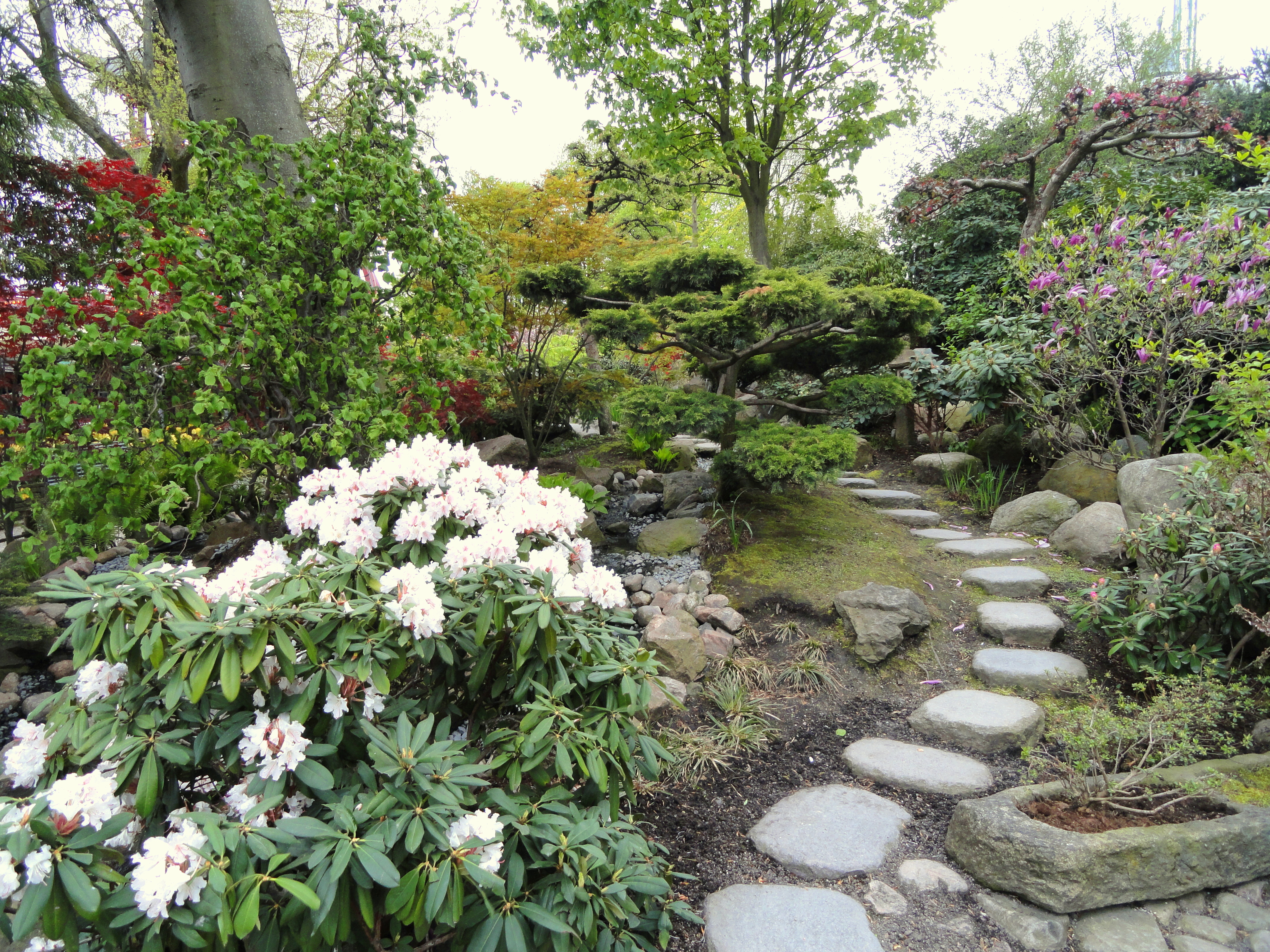
How Step-Free Routes Are Designed
Theme park accessibility teams typically plan step-free corridors as an overlay on the general pedestrian network. The aim is to provide a connected route from the main entrance gate through to the principal attractions and back, with branches to key visitor facilities. On older or more compact sites, the step-free route may be a single main corridor rather than a full parallel network.
Modern European parks built or significantly renovated in recent decades tend to design for accessibility from the ground up, incorporating level paving, flush kerbs, and ramp provision as standard. Older parks may have retrofitted ramps or alternative path surfaces in sections where the original ground level was not level.
Ramps and Gradients
Where a step-free route crosses a grade change, a ramp is the standard provision. European building regulations generally require ramp gradients no steeper than 1:12 for permanent installations, though practice in outdoor leisure environments varies. Steeper gradients can be tiring for manual wheelchair users and may affect the usability of the route for powered mobility scooters on hills.
Ramps at theme parks are typically surfaced in anti-slip materials and marked visually at the top and bottom. Some parks include handrails along ramp runs. Where a ramp serves a high-traffic area, the surface condition and marking are generally maintained to a visitor-facing standard.

Lifts and Level Crossings
In parks with multi-level structures — such as hillside attractions, elevated walkways, or indoor complex buildings — lifts may be used in place of or alongside ramps. Lift availability is a key factor for users of powered wheelchairs who may not be able to use ramp-only solutions.
Accessible park maps distributed by parks typically mark lift locations with a symbol. Where a lift is the only step-free option for a section of the route, its presence and location are usually highlighted. Lift capacity, call button height, and interior dimensions affect usability for larger mobility devices.
Accessing Accessible Park Maps
Most major European theme parks publish an accessible or accessibility-highlighted version of their park map. These documents are typically available:
- At the main entrance or guest services desk on arrival
- From the park's website in the visitor information or accessibility section
- Via the park's mobile app, where an accessible routing layer may be included
Accessible maps use consistent symbols to indicate step-free paths, lift positions, accessible restrooms, and priority viewing points. Where the map distinguishes between fully step-free routes and partially accessible routes, the distinction is usually noted in the map legend.
Common Limitations
Not all areas within a European theme park are step-free. Common limitations include:
- Heritage structures: Older or listed buildings within a park may include original staircases that have not been altered. Step-free bypasses are not always available in these areas.
- Ride queue areas: The queue line for an individual attraction may include ramps or stairs that are not replicated by a fully level access route. The accessible queue or bypass for that ride should be indicated on the accessible map or confirmed with ride staff.
- Seasonal or temporary areas: Seasonal attractions, outdoor stages, and temporary event areas may not be built to the same accessibility standard as permanent park features.
- Natural terrain: Parks set on hilly or woodland terrain may have paths that, while step-free, have surface variations or gradients steeper than indoor ramp guidelines.
Planning Your Visit
Before visiting a European theme park with accessibility requirements, the following actions may reduce uncertainty on the day:
- Download or request the park's accessible map in advance.
- Check the park's accessibility or visitor information page for any updates to routes or lift availability.
- Contact the park's guest services team if specific equipment or arrangements need to be confirmed.
- Note the location of the main guest services desk, as this is the primary point for collecting ride access passes or resolving accessibility queries on arrival.